
Employees Enjoy Participating In Our Innovative Time Studies
They are easy to do, give instant feedback, and are totally anonymous.
We show organizations how employees can spend an extra hour per day on what matters most.

A TimeCorder time study gets the results you want:

IMPROVE SALES PERFORMANCE
For most sale reps, selling is only 23% of their time. They need support, systems, and software to maximize their time. A TimeCorder time study shows where all the time goes and what the most successful performers are doing right.

Understand the new world of work
Whether employees are working at home or in an office, they face ongoing productivity issues. Find out what needs to be automated, outsourced or eliminated. Discover what your best employees are doing to maximize their results.

GAIN AN EXTRA HOUR PER DAY
Imagine what an extra hour per day spent on top priorities could mean for your employees. Fewer wasted hours mean faster turnaround, better customer service, more sales, decreased costs, and more profit. It’s exactly what employees want.

100% confidential
Before companies hire us, they always ask, “How do you know employees will be honest?”. The answer is that we treat them like the terrific employees they are. We tell them why we’re doing the study. We explain how it will benefit them. Then we reassure them that the results are anonymous. We only report on what the average employee is doing. We never use individuals’ names in our time study reports. So as an employee, no one’s watching you. And you’re in control of your own time tracking. That’s unconventional. And that’s empowering.
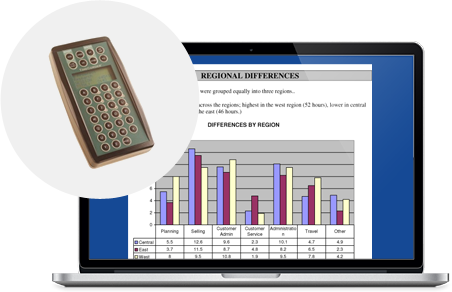
Take out the guess work. Get results based on real data from Time Studies.
Changing how you manage your sales team is the quickest and most cost effective ways to get more sales.
Meet Mark Ellwood
Time & Motion Study Consultant
I am really passionate about getting more done. Ever since I was a young boy delivering newspapers, I’ve been on a quest to get stuff done faster. More recently, I developed the innovative TimeCorder devices to track time in the simplest way possible. Today, I use them to show individuals how to get more of what they want in their lives. And I show organizations how to turn wasted time into extra money. I’m the productivity guru who believes in real data. I proudly present the results of my work at time-use conferences, sharing unique insights about overtime hours, time hogs, the best time for meetings and more.



BLOG
Insights Into The World Of Work

Putting A Priority On Your Time
Where does all the time go? Long hours. Late nights. Snatched lunches. Some people boast about their overwhelming work schedule as if it’s a badge of honor: “I start work at 7:00 a.m. and work right though until 8:00 p.m.” Often their Herculean claims border on the...
Happy Clients
Thousands of emloyees in 39 different countries have used the TimeCorder to track their time and improve their results. Our clients range from small service businesses to huge multi-nationals. Typically, they’re hungry to find out where their employees are spending their time, and how they could allocate more of it to their highest priority activities. Usually, the employees are keen to participate, and the organizations get the insights they need. And we never use employee names in our reports – that’s not the point of doing a time study. Showing how the entire organization can do better is the point. And we do it well.
google-site-verification: google7c24cce91a226178.html
google-site-verification: google7c24cce91a226178.html